Peptide HS Codes: 5 Steps to Classify With Supplier Lab Data
Written by Jian Wang, Founder & CEO · · Updated

Most peptide shipments land under HS 38220090, a chapter 29 heading such as 2930, 2933 or 2934, or 3504 for collagen and albuminoidal peptides. Customs decides by chemical structure and function under the WCO and GRI rules, not by labels like “research use only.” If you are unsure, search binding rulings or request a binding tariff ruling before you ship.
TL;DR:
- For polypeptides without a specified biological function, WCO guidance points to the amino acid whose heading has the highest numerical value.
- Hormonal or other biological activity may point to another chapter 29 heading; measured doses or retail packaging can instead bring chapter 30 into play.
- Prepare each lot’s sequence, chemical identifier, consistent function statement, and lot specific Certificate of Analysis with HPLC and mass spectrometry results before shipment.
- Search destination national tariffs and binding rulings before each shipment; collagen coverage, for example, may shift when national tariff language changes.
- FDA regulated entries may be referred by CBP for review, and missing or requested documents can delay clearance or lead to refusal.
Table of Contents
- Common HS codes for peptides at a glance
- How customs decides: GRI, WCO and the amino-acid rule
- Country checkpoints and official tools
- Documentation checklist for peptide shipments
- Five steps to find the right HS code
- Representative rulings and what they teach
- Why lot-level lab data matters at the border
- Use independent lab data to support your declarations
- FAQ
- Sources
- Official tools and databases for peptide classification
Common HS codes for peptides at a glance
Treat these as starting points, not answers. The right code depends on sequence, claimed physiological function and how the product is put up for sale.
- 38220090: a miscellaneous chemical code that shows up in trade-data pages for peptide shipments, especially when entries lack specific chemical descriptors.
- Chapter 29 headings: classification may follow chemical structure or functional groups.
- 3504 / 35040010: albuminoidal substances and collagen peptides, when the product matches that description or national notes change coverage.
- Chapter 30 headings: possible when a peptide is packed in measured doses or for retail sale.
How customs decides: GRI, WCO and the amino-acid rule
Classification starts with the heading text and the section and chapter notes. The later rules only come into play when GRI 1 leaves two headings competing. In practice, most peptide disputes are settled by reading the notes and the chemistry, not by tie-breakers.
For polypeptides, the WCO gives specific guidance. When a polypeptide has no specified physiological or biological function, it is classified by chemical structure: you look at the amino acid in the sequence that falls into the heading with the highest numerical value. When the peptide does have a hormonal or other biological function, a different chapter 29 heading may apply, such as one covering hormones.

The practical consequence is simple. Your sequence, structural identifiers and chemical function override anything on the vial label. A product marked “RUO” is still classified as the molecule it is. If the sequence and the declared function point to different headings, expect questions, so settle that before the shipment leaves.
Country checkpoints and official tools
In the U.S., the Harmonized Tariff Schedule is the legal text, and its section and chapter notes explain how goods put up in measured doses or for retail sale can move into headings such as 3004, 3005 or 3006. CBP also publishes binding rulings that can show how a product is classified under HTS subheadings.
Regulated products add a second layer. FDA reviews imported shipments: entries go to CBP, which refers FDA-regulated entries to FDA, and specific information or documents may be requested. Missing paperwork delays review. For legal context on U.S. enforcement, see our peptide legality checklist.
In the EU, UK and elsewhere, the WCO nomenclature is the base, but national tariff codes, HSN lists and official notices change what applies in practice. A 2021 notice sought to include collagen peptides under HS code 35040010, a reminder that coverage can shift by amendment. Before each shipment, search the destination country’s binding-ruling database and the WCO trade tools.

Documentation checklist for peptide shipments
Customs clears faster when the paperwork answers classification questions before anyone ask. Pull these together for each lot:
- The peptide sequence, plus the CAS number or chemical name.
- The declared physiological function, if any, stated consistently across every document.
- A lot-specific Certificate of Analysis with HPLC and mass spectrometry data. Our guide on requiring a lot-specific CoA explains what to look for.
- A safety data sheet and any permits or licenses the destination requires.
- Packaging details: measured doses, retail packaging or kits can move a product toward different headings, so describe exactly how it is put up.
- Any extra entry data FDA requests if the shipment is referred for review.
Pro Tip: Keep the CoA, sequence and function statement in one PDF so the broker, the carrier and the customs officer all see the same description.
Shipping conditions also shape documentation. Our note on peptide cold chain shipping covers what to record for temperature-sensitive lots.
Five steps to find the right HS code
- Gather the sequence, CAS number, InChI, and the lot’s CoA with HPLC and mass spectrometry details.
- Search the WCO HS nomenclature and the destination’s national tariff schedule for matching headings.
- Search national binding rulings for similar peptides and note which headings were applied and why.
- If the answer is still unclear, request a binding tariff ruling from the importing country’s customs authority, or consult a licensed customs broker.
- Archive the lab reports and ruling references with the shipment paperwork so future entries start from a documented position.
Representative rulings and what they teach
Binding rulings can illustrate structure-driven outcomes, with classification based on what a product is chemically rather than a generic label. A ruling for one peptide is a guide to reasoning, not a free pass for a similar-sounding product.
National notices tell a related story. The collagen peptide proposal for 35040010 shows how an amendment can pull a peptide subtype into a specific heading. Rulings and notices help, but tariff language changes, so confirm the current text in the destination country before every shipment.
Why lot-level lab data matters at the border
When customs asks what is in the vial, a lot-specific HPLC and mass spectrometry report answers it better than any product label. The same report cuts procurement risk, because you know what you bought. I recommend attaching lab-verified reports to shipment records so inspections stay short and audits stay painless. Our vendor pages carry independent lab data you can use for exactly that.
— Ross
Use independent lab data to support your declarations
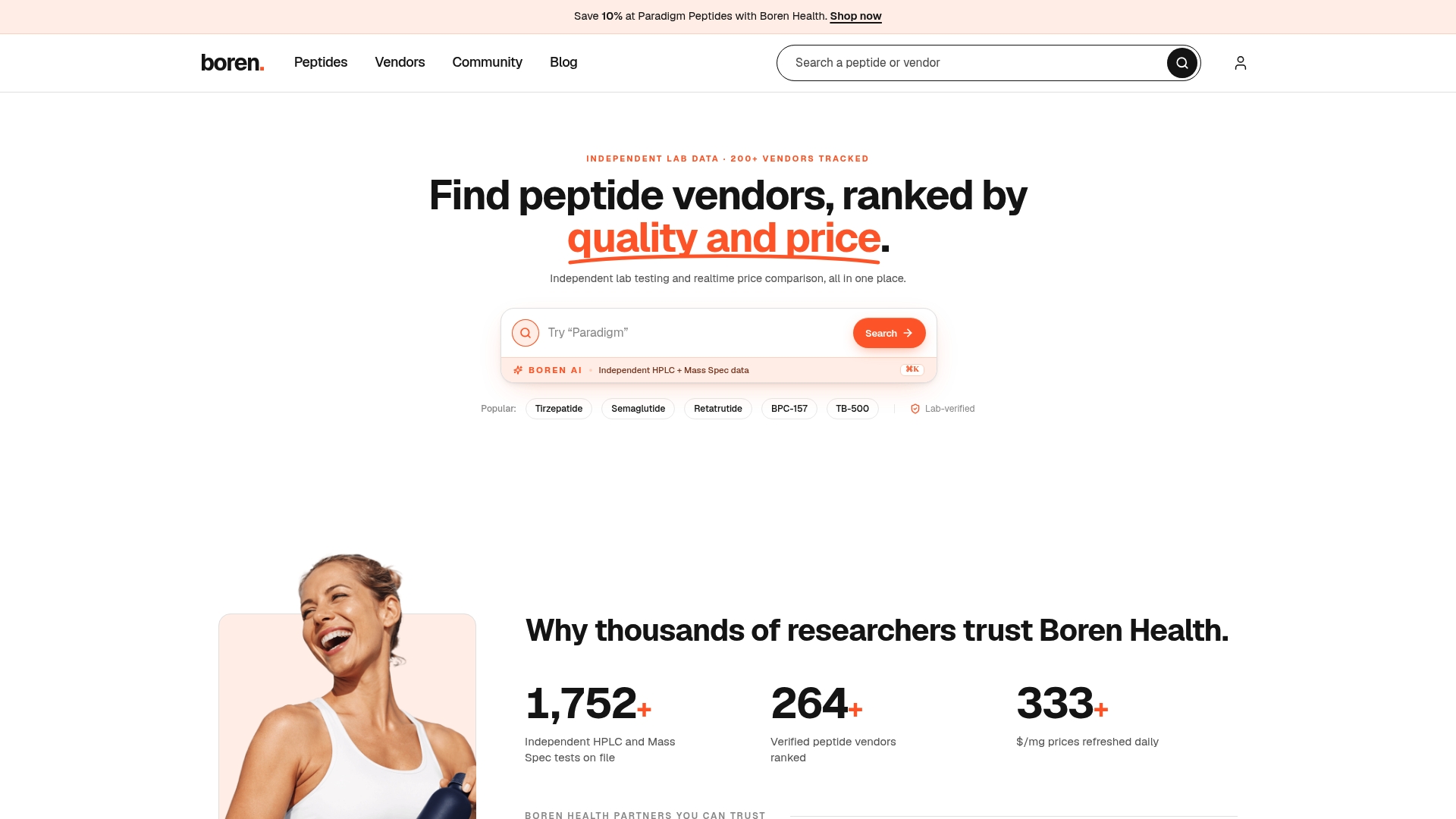
Accurate declarations start with accurate documentation, and that is what we publish. Our independent HPLC and mass spectrometry results come from blind sample purchases, and we publish every result, including failures. Here is how importers use them:
- Compare vendor information before you order.
- Review independent lab data to support your import entries or audits.
- Browse our peptide goal pages for lab-verified data by research area.
Start with the goal page that matches your product and pull the lab data you need for your next entry.
FAQ
What category do peptides fall under in customs?
There is no single peptide category. Customs classifies by chemical structure and function, which is why peptides appear under chapter 29 headings, 3504 or 38220090 depending on the product. WCO guidance governs polypeptides without a specified function.
What does HS code 35040010 represent?
It is a heading for albuminoidal substances, and a 2021 notice proposed including collagen peptides under it. Whether your product qualifies depends on current national tariff language, so verify it with the destination’s customs authority.
Does “research use only” change the HS code?
No. Customs prioritizes chemical structure and function, so an RUO label does not move a product to a different heading. Declare the molecule accurately and keep the lab documentation consistent with that declaration.
What happens if FDA reviews my peptide shipment?
CBP can refer FDA-regulated entries to FDA, which may request specific information or documents. Providing them promptly helps avoid delays, and FDA can refuse entry for problems such as misbranding or missing documentation.
Sources
Official tools and databases for peptide classification
Bookmark these for every new product:
- WCO HS nomenclature and explanatory notes.
- U.S. CBP binding rulings and the HTS search tool.
- FDA import process and import basics pages.
- National tariff lookup tools and binding-ruling services for the EU, UK and other destinations.